
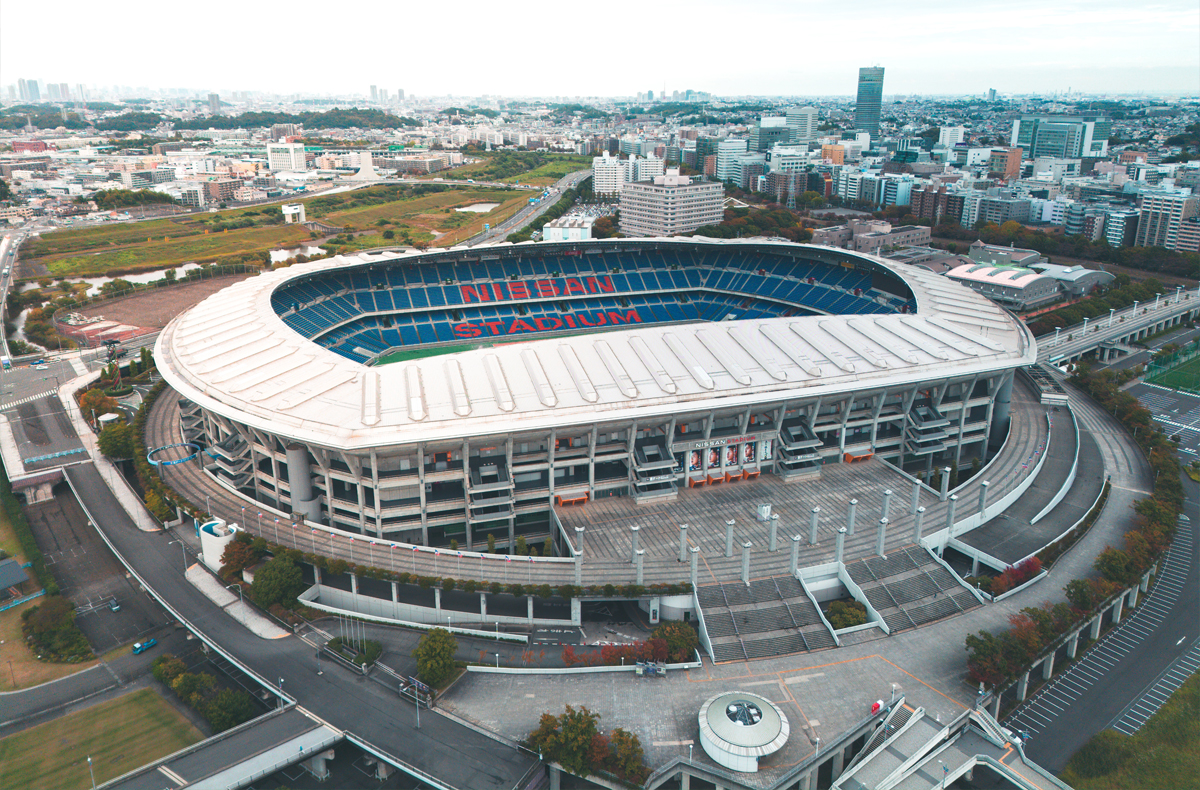
Stepping into World Cup History at Nissan Stadium, Yokohama
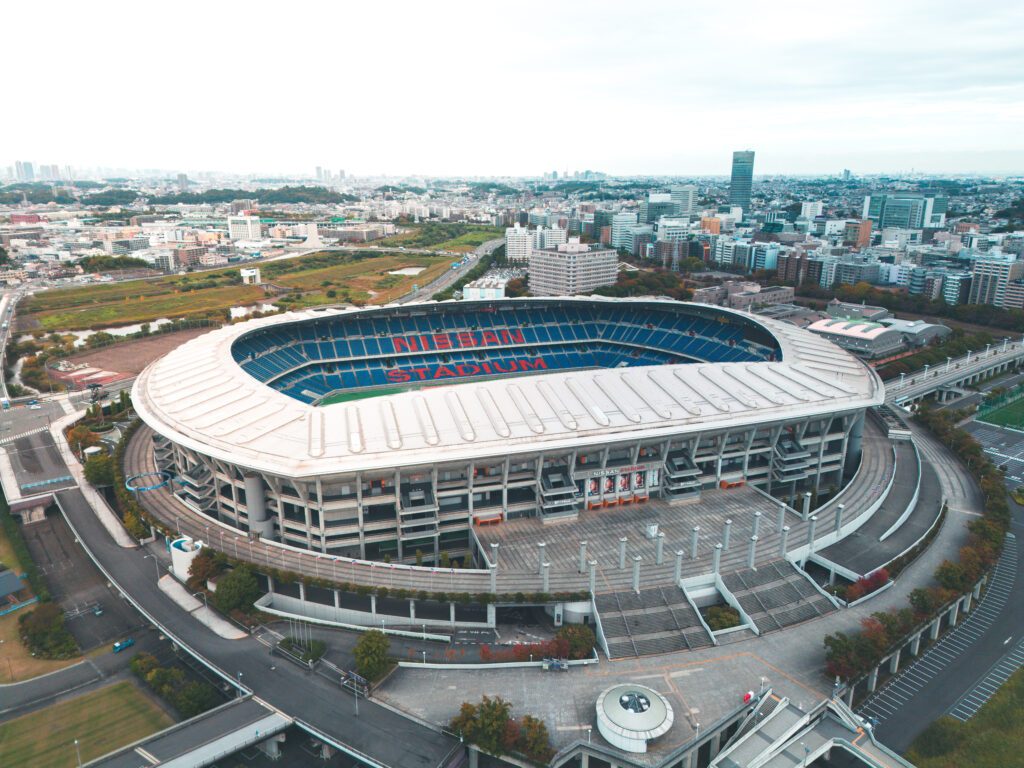
Our journey began upon arriving at Haneda Airport, where we headed straight toward one of Japan’s most iconic football landmarks: Nissan Stadium. Located in Yokohama, this stadium is not only the home of Yokohama F. Marinos, but also a place deeply embedded in global football history.
We reached the area by train and got off at Shin-Yokohama Station, the nearest major transport hub to the stadium. From there, it took us around a 20-minute walk to reach Nissan Stadium. Despite it being our first visit, the walk felt easy and reassuring.
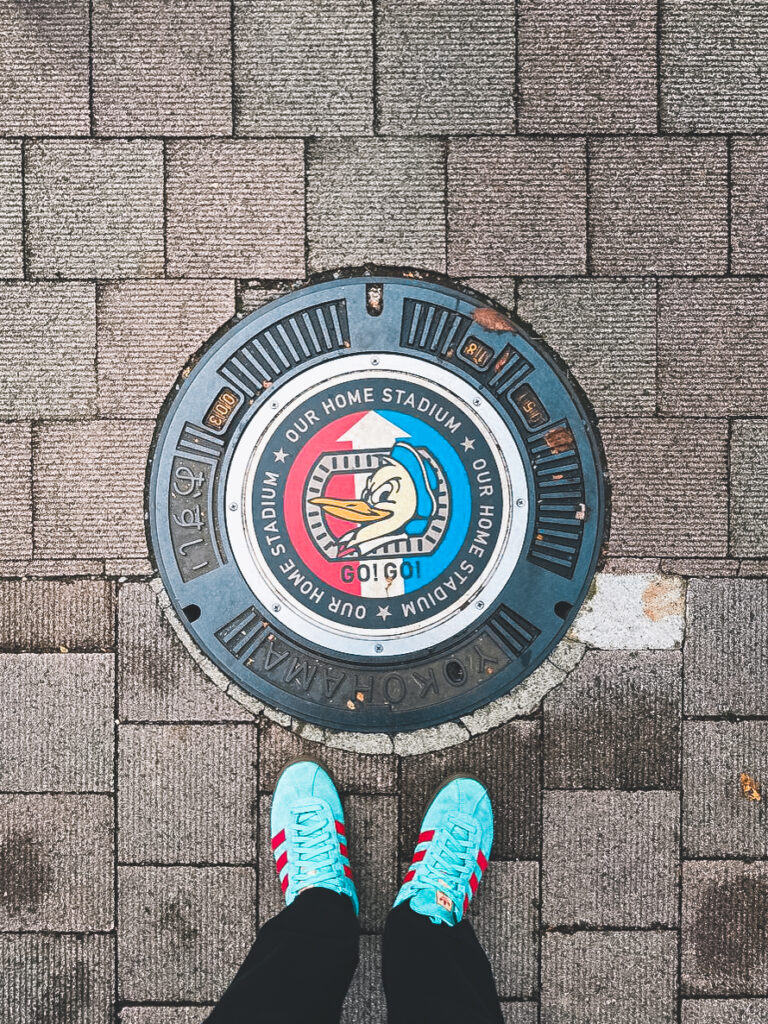
There was no need to worry about getting lost. Clear directional signs are placed throughout the neighborhood, guiding visitors step by step toward the stadium. Adding a uniquely Japanese touch, several decorative manhole covers along the route subtly confirm that you’re heading in the right direction—small details that make the journey feel special.
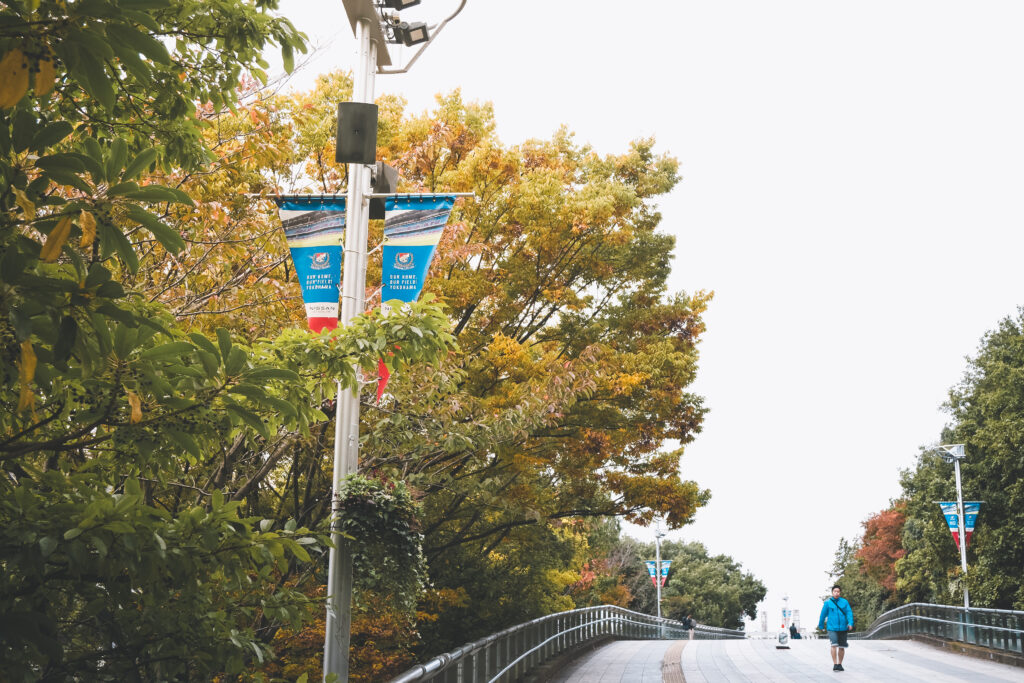
We visited in early November, during Japan’s autumn season. The weather was cool and comfortable, perfect for walking. Along the way, leaves lining the streets had begun to turn yellow, creating a calm, almost cinematic atmosphere. The walk felt less like a commute and more like a slow build-up to something meaningful.
This was our first time at Nissan Stadium, and its scale is immediately impressive. Situated in Yokohama, Kanagawa Prefecture, the stadium is the largest in Japan, with a seating capacity of over 72,000 spectators. The stadium complex covers a vast area, designed to accommodate not only football matches but also international events and large-scale concerts.
Nissan Stadium holds a special place in football history as the venue of the 2002 FIFA World Cup Final. It was here that Brazil defeated Germany, securing their fifth World Cup title. Inside the stadium grounds, visitors can find a World Cup Final monument, marking this historic moment. Standing there, it’s impossible not to imagine the roar of the crowd and the global spotlight that once focused on Yokohama.
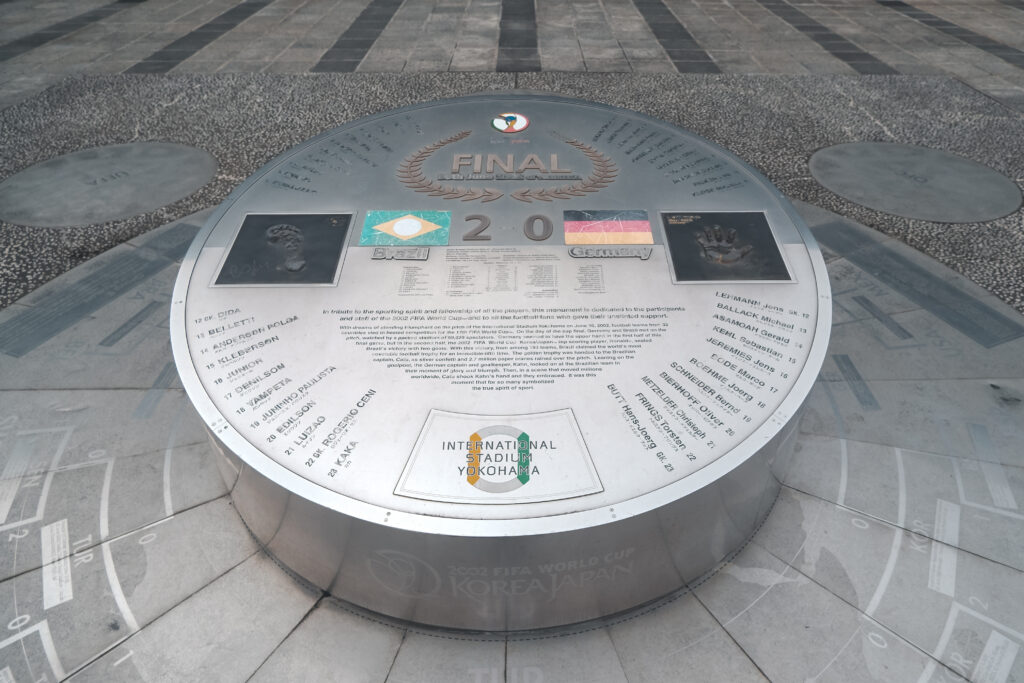
That final was also defined by the presence of Pierluigi Collina, the legendary Italian referee. Known for his piercing stare and commanding presence, Collina officiated the 2002 final and became an iconic figure of that tournament. His role added another layer of prestige to a match already rich in history.
Today, Nissan Stadium serves as the home of Yokohama F. Marinos, one of Japan’s most historic and successful football clubs. Founded in 1972, the club has been a cornerstone of the J.League, known for its strong identity, loyal supporters, and attacking style of football. The connection between the club and Nissan remains deeply rooted in both name and legacy.
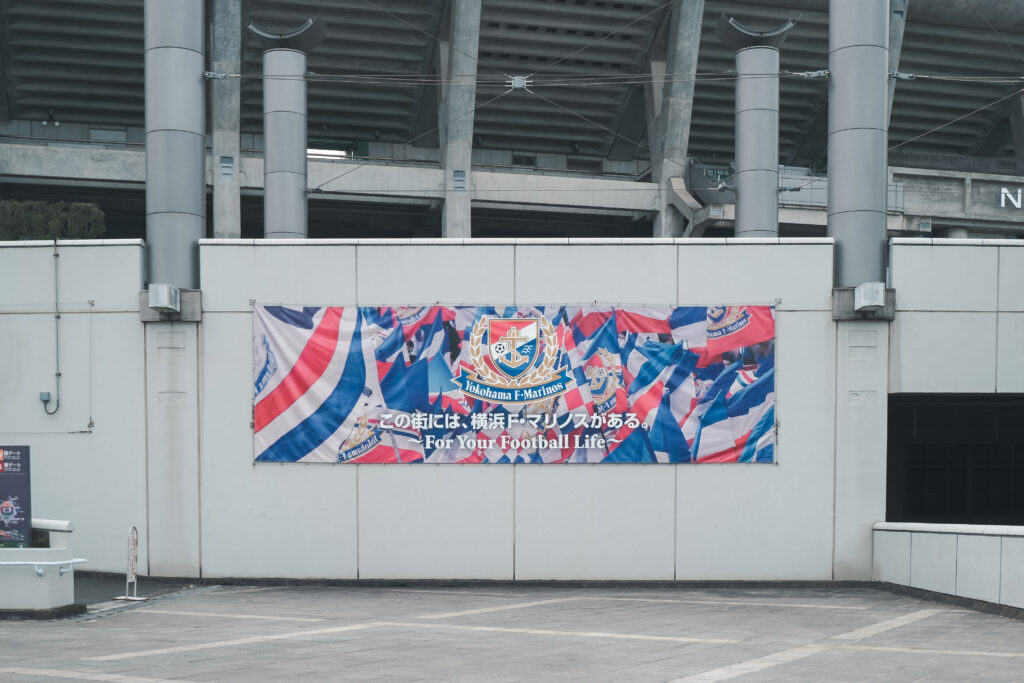
Unfortunately, our visit came with one small disappointment: the official merchandise store was closed. We weren’t able to bring home a jersey or souvenir to mark our first visit. Still, that minor setback didn’t take away from the experience.
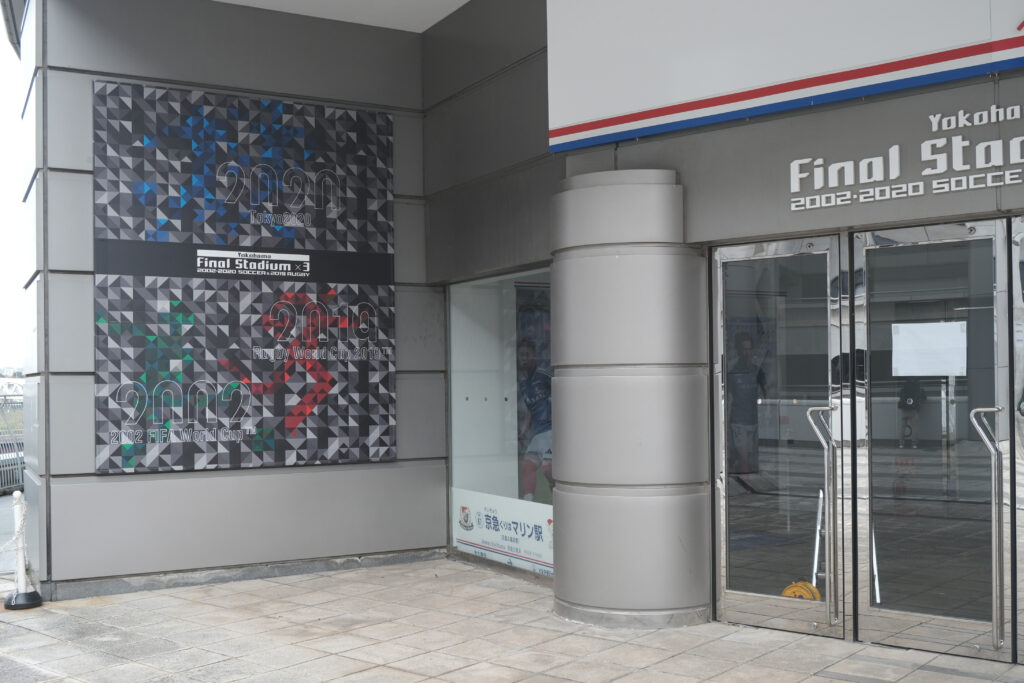
Visiting Nissan Stadium is more than just seeing a football venue. It’s a journey through place and time—where Japanese football meets world history, and where every step from Shin-Yokohama Station feels like part of a pilgrimage for football lovers.
